
Working towards net-zero shared mobility
Bolt's mission to create cities for people, not cars, is interconnected with our commitment to sustainability.

The primary goal is to reduce greenhouse gas (GHG) emissions to carbon net-zero by 2040. To reduce our carbon footprint, we’re measuring our GHG emissions globally and across all products to understand where we can make the most impact.

We endorse programmes promoting economic empowerment for our partners and prioritise safety and well-being for customers, employees, and partners worldwide.

We're ensuring the long-term success of our sustainability initiatives through robust oversight and management of potential risks.

As sustainability is a priority for Bolt, our compliance and governance processes play a crucial role in ensuring that our operations meet the continually evolving needs of our stakeholders.

Shared transport can transform our cities by lowering emissions, reducing congestion, and the demand for parking spaces.
Our long-term environmental goal is to offer 100% carbon net-zero shared mobility solutions by 2040. In 2023, we committed to our carbon net-zero goal for 2040, which is now at the centre of Bolt’s Sustainability Strategy. Here are some of the most important targets from the strategy:

Net zero carbon emissions by 2040.

100% renewable electricity in Bolt-controlled offices, warehouses, charging docks and Bolt Market premises from 2025.*
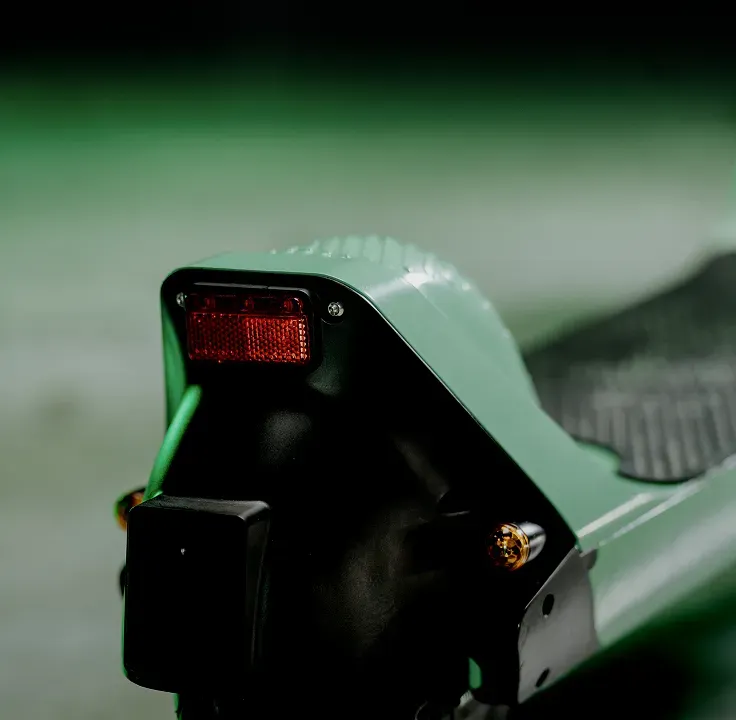
90% of our waste finds a new use through circular economy solutions by 2030.
United Nations Global Compact



Hydrogen Vehicles
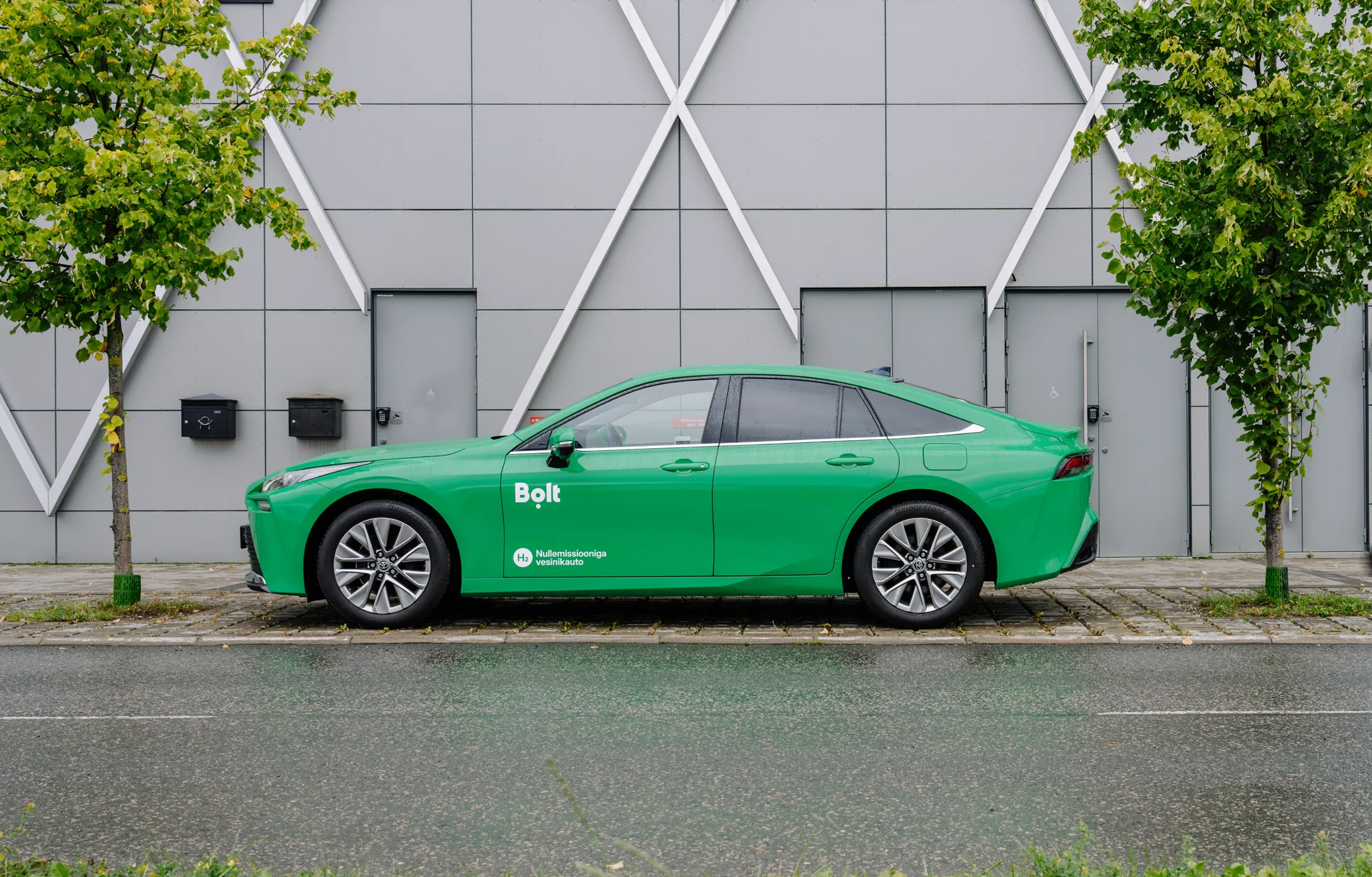
We’re supporting fleet partners in introducing vehicles powered by green hydrogen in Tallinn. These vehicles produce no tailpipe emissions, helping to expand cleaner transport options for riders.
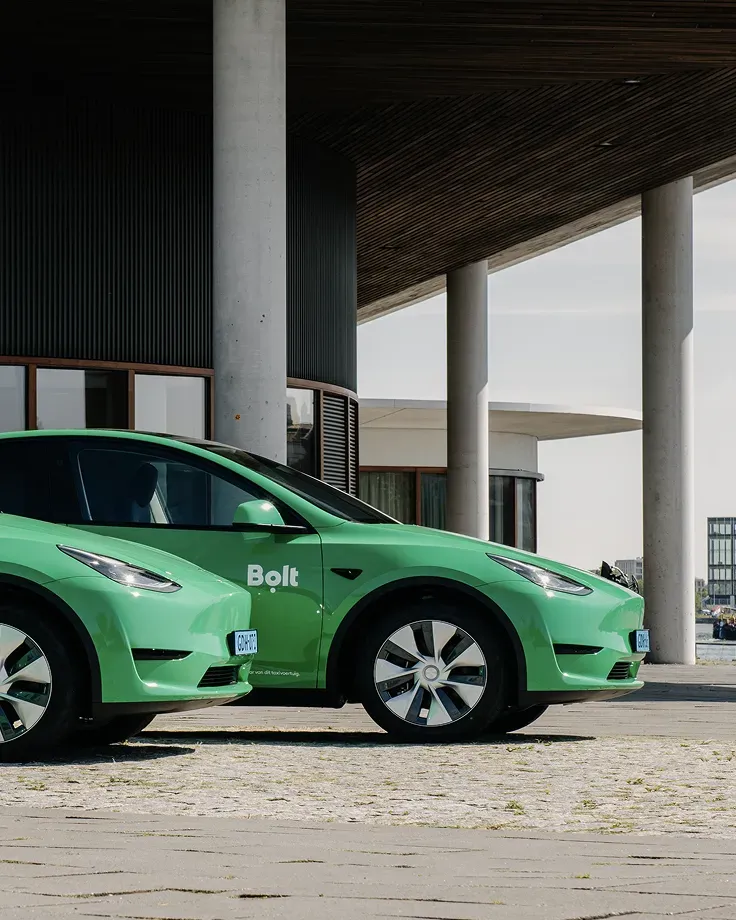
We focus on partnerships that facilitate the expansion of zero emission (i.e. fully electric) vehicles on our ride-hailing, car sharing, and delivery platforms.
All of Bolt’s electric scooters and e-bikes are zero emission vehicles with no tailpipe emissions.
EV co-financing
We are helping fleets access new EVs and improve service quality for riders across major European cities, including Amsterdam, Berlin, Paris, and Oslo.
Driver awareness
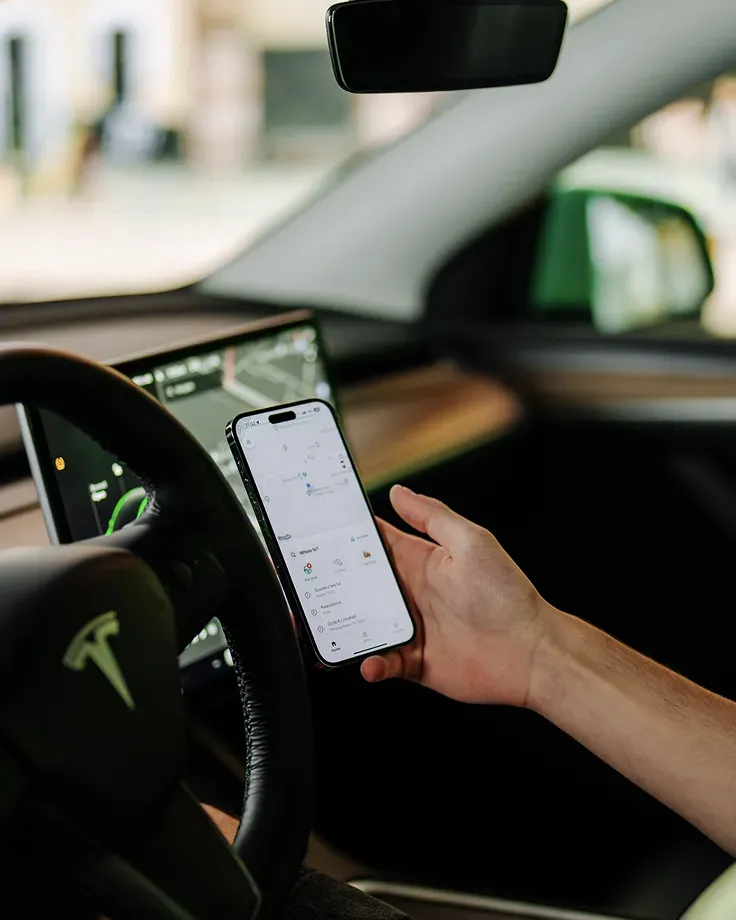
We’ve partnered with EV fleet software provider Volteum to provide a total cost of ownership calculator. This tool helps ICE drivers analyse their current costs and find the best EV for their needs.

Electric rental cars on Bolt Drive
We increased the number of hybrid and electric vehicles on our Bolt Drive car-sharing platform in collaboration with Swedbank and Luminor, leading banks in the Baltics
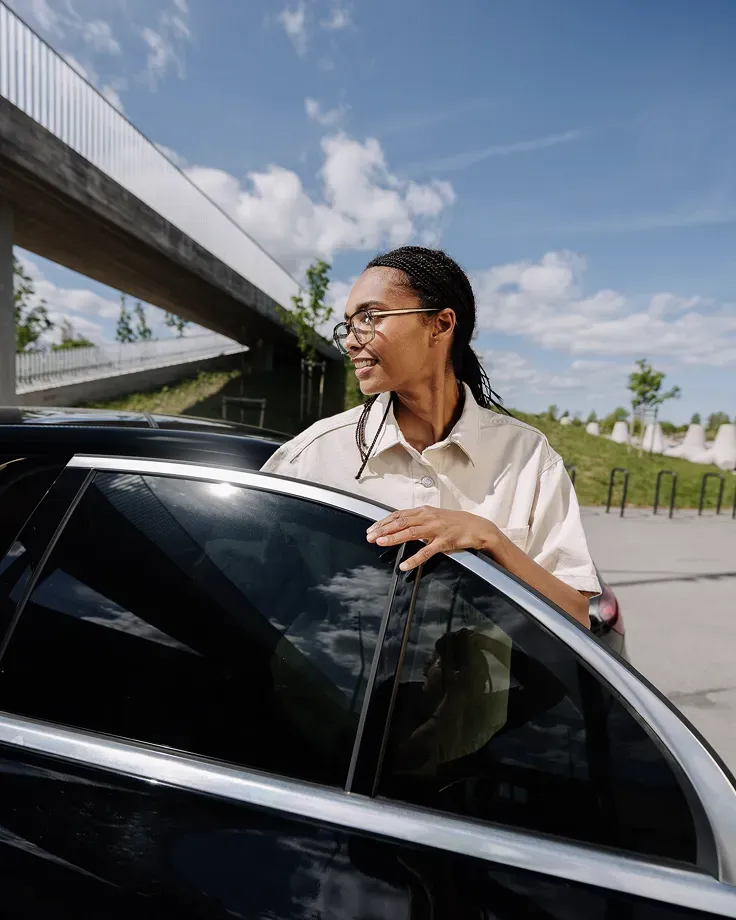
Rent-to-buy partnerships
In the UK, we partnered with Weflex, enabling drivers to transition to using electric vehicles on a flexible rent-to-buy scheme. Our pilot scheme with Splend is helping 500 ride-hailing drivers own an electric vehicle.
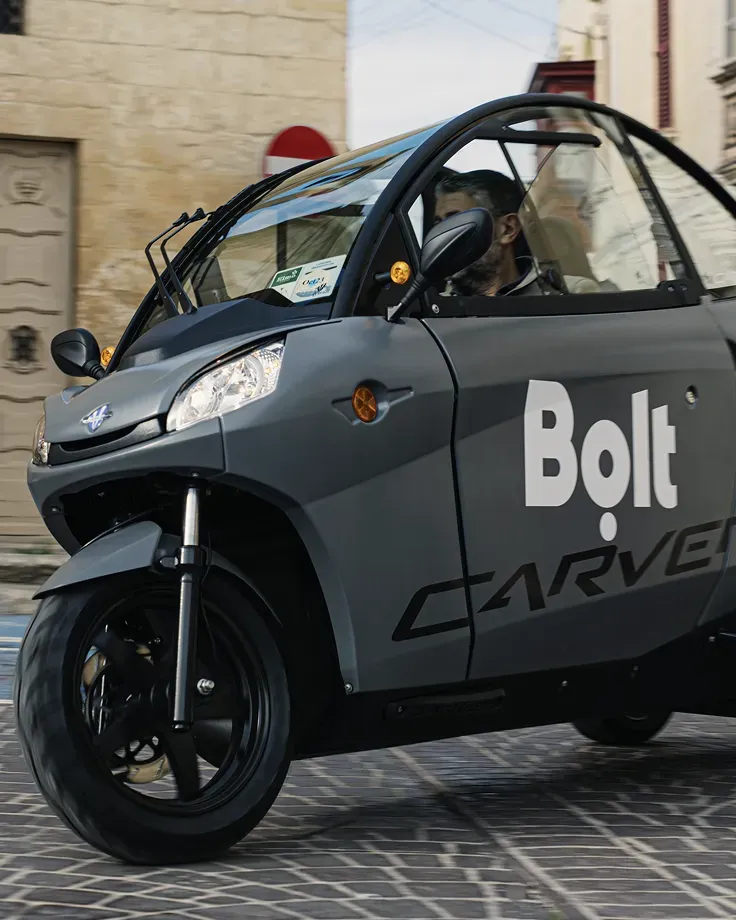
Electric 3-wheelers
In Malta, we deployed an electric 3-wheeler ride-hailing service in partnership with Buzzz Electric.
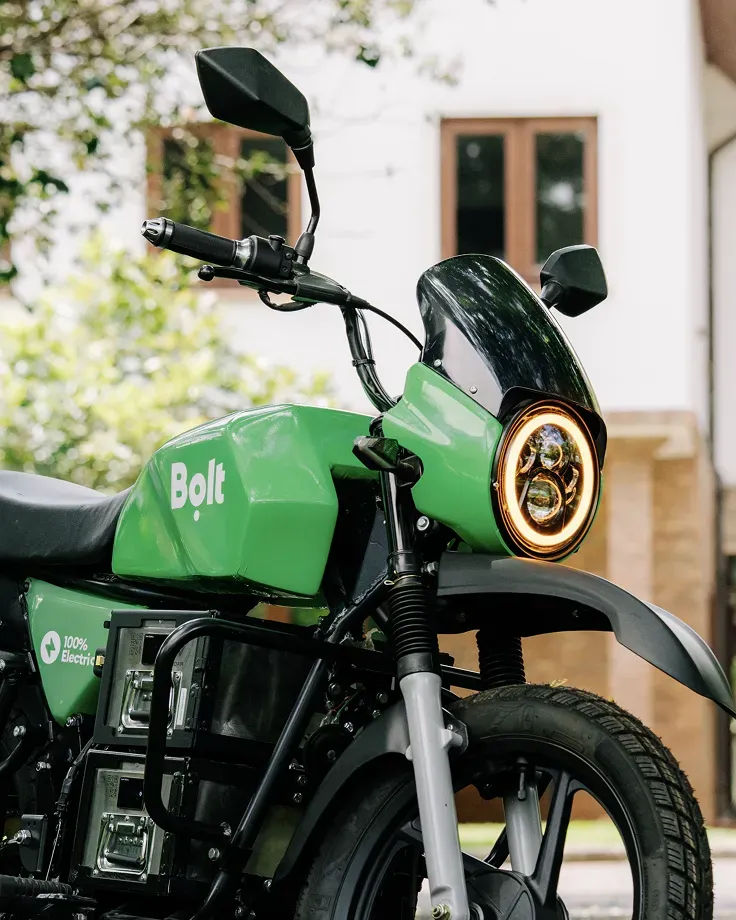
Electrifying Africa
In Nairobi, Kenya, we've partnered with M-KOPA, Ampersand, and Roam to offer drivers discounted electric motorcycle leases, aiming to boost their earnings by lowering operational costs.
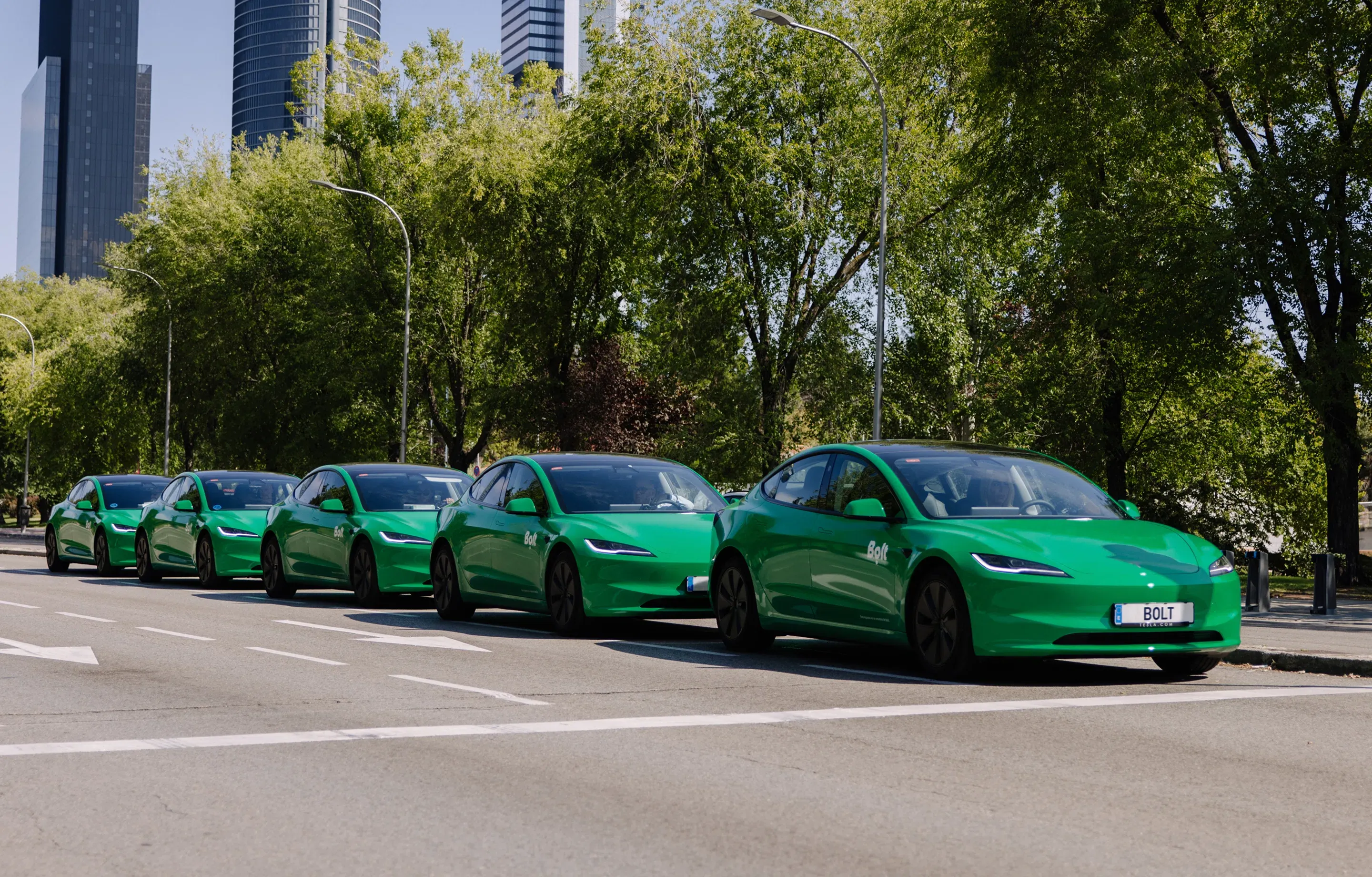
Charging solutions and partnerships
Since most drivers do not have access to home charging, we have set up partnerships with charging operators to reduce costs of public charging in Sweden, the Baltics, Poland, France, Spain, the Netherlands, Belgium and Thailand and continuously work to add more. Our list of partners includes Eleport, Electra, JB Charge, OK Q8, Shell, Repsol, and EDP.
We partnered with Eleport, a leading EV charging network developer in the Baltics and Poland, to install 750 electric vehicle charging points and launch a driver EV charging incentive programme
All Bolt-controlled sites are 100% powered by renewable electricity from the end of 2025.*
From the beginning of 2024, our offices, warehouses and charging docks have been using 100% renewable electricity. From the end of 2025, our Market stores were also included, meaning that all Bolt-controlled sites use only renewable electricity from the end of 2025.
Focusing on sustainable product design
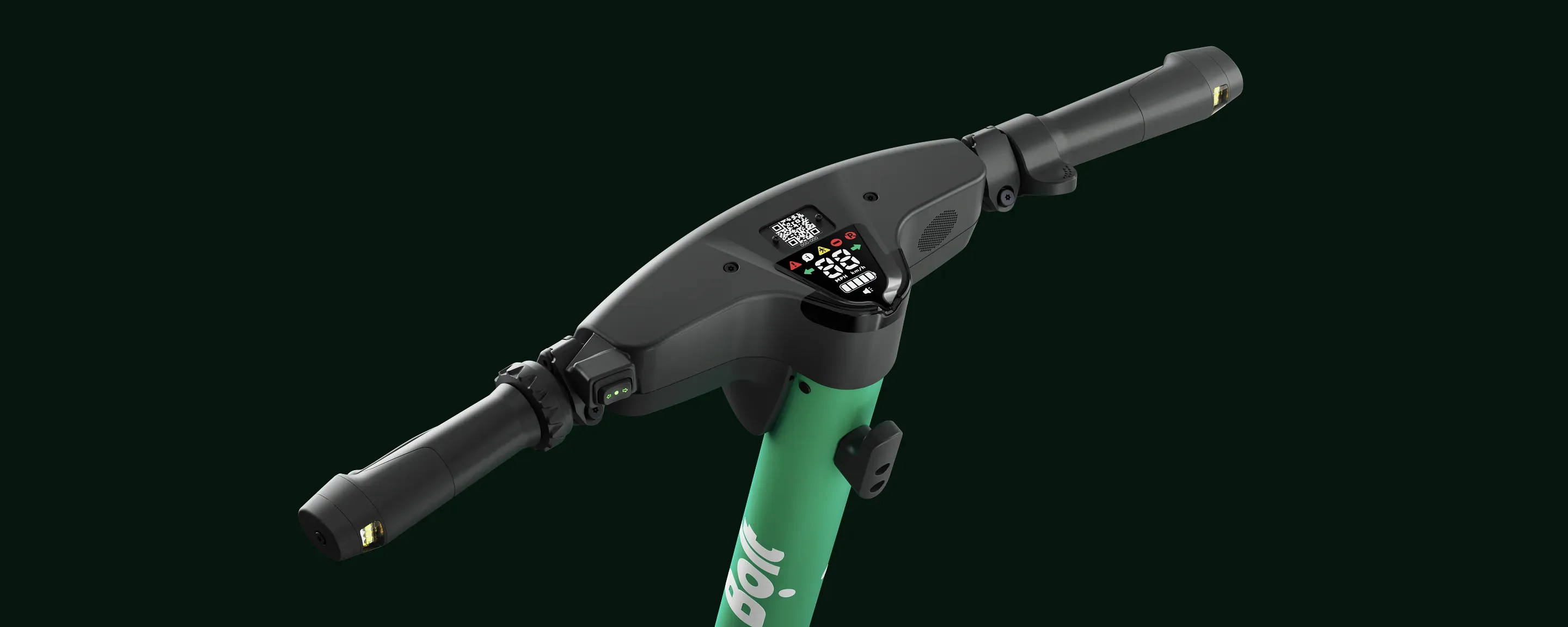
This means less time being repaired and charged, more shared rides per scooter, and ultimately, less emissions during the scooter life cycle. According to the Life Cycle Assessment* (LCA), our latest model Bolt-6 e-scooter has:
Our pilot programs in 10 European cities have proven that, when encouraged, riders will opt for scooters or e-bikes instead of cars if their planned trip is under 3 km.


All of our suppliers must adhere to Bolt’s Supplier Code of Conduct.
This consists of 6 core areas: human rights, labour practices, health and safety, quality, the environment and the right to audit.

Company Policies
Here are some of Bolt’s sustainability- related policies:








Bolt currently holds CarbonNeutral® certification by Climate Impact Partners for Micromobility.
One of Bolt’s current climate action partners, Milkywire, manages a portfolio of projects which focus on carbon removal, decarbonisation and nature protection and restoration.
Bolt also funds additional climate action projects to help combat climate change.
In 2022, we partnered with Seedballs Kenya to spread 25 tonnes of indigenous seeds (Seedbolts) — equivalent to planting over 11 million tree seeds.
Our previous projects include reforestation projects with OneTreePlanted in Portugal and Romania. Bolt’s global environmental management system is certified to the ISO 14001:2015 standard.

Seedballs Kenya
We partnered with Seedballs Kenya to reforest and reintroduce trees and grass species into degraded areas in Africa.

Climate Impact Partners
Climate Impact Partners provide third-party oversight of Bolt's carbon offset efforts through adherence to The CarbonNeutral Protocol.

Ladera
Ladera conducts Life Cycle Assessment (LCA) calculations for Bolt’s micromobility vehicles, providing scientific rigour to the process of understanding their carbon footprint.

Milkywire
Milkywire’s philanthropic impact funds are portfolios of high-quality projects supporting positive change across multiple environmental topics. The funds are carefully curated by Milkywire’s in-house experts to maximise long-term impact.
Rohetiiger
'Green Tiger' in English, is a cross-sector collaboration platform for sustainable organisations. It aims to create and implement plans for a balanced economy in Estonia.
The Bolt Urban Fund
The Bolt Urban Fund supports charitable third-sector partnerships that promote sustainable, inclusive transport planning, empower driver and courier partners on the platform, and engage with local communities where Bolt operates.