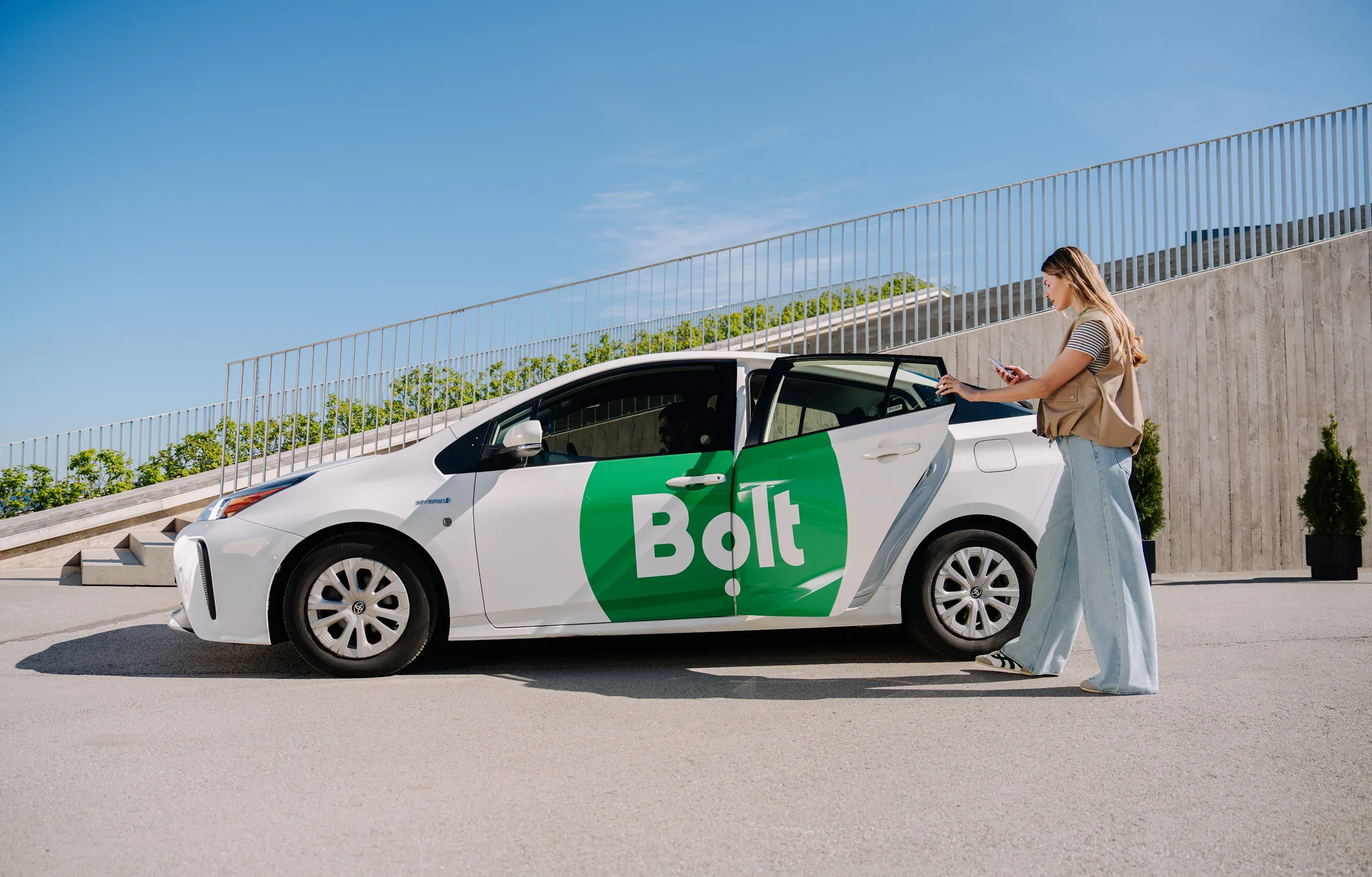
Accessibility at Bolt
Everyone — whether a rider, driver, courier, or anyone engaging with Bolt online or offline — should be able to use our services independently and with dignity. We’re committed to building products that are inclusive, intuitive, and accessible for all.
Built for real-world impact
Accessibility first
We’re committed to removing barriers across our apps, vehicles, and services.

Inclusive by design
We build with a wide range of needs in mind, whether that’s a speech-to-text feature for drivers or wheelchair-accessible rides.


Better cities for all
In collaboration with cities, we ensure our services support safer, more accessible streets.

Driven by feedback
If you’ve faced an accessibility issue or have ideas for improvement, contact [email protected].


Built on standards
We aim to meet international accessibility standards, including WCAG 2.1 Level AA and EN 301 549, and are working toward full compliance.

Always improving
We regularly audit Bolt services, train our teams on inclusivity topics, and invest in better tools.
Wheels for Wheels
Helping map more accessible cities
Learn more about the Wheels for Wheels project: wheels4wheels.com
To demonstrate how shared mobility can improve accessibility beyond transportation, we helped develop the Wheels for Wheels pilot project with accessibility, technology, and mapping experts from around the world.
Using sensors already built into Bolt scooters, the project identifies ramps, curb drops, pavement quality, and other conditions that affect people using wheelchairs and mobility aids.
During the Tallinn pilot, Bolt scooters collected 40.5 million accelerometer readings and generated 66,088 surface ratings, mapping thousands of street segments and uncovering accessibility barriers that traditional maps can often miss.
The resulting data is published to OpenStreetMap, making it freely available to cities, developers, and navigation services to support more inclusive city environments.
Accessibility across Bolt services
Each Bolt product includes features that support different needs, from assistive ride options to safer micromobility and accessible delivery options.
Ride-hailing
Assistance
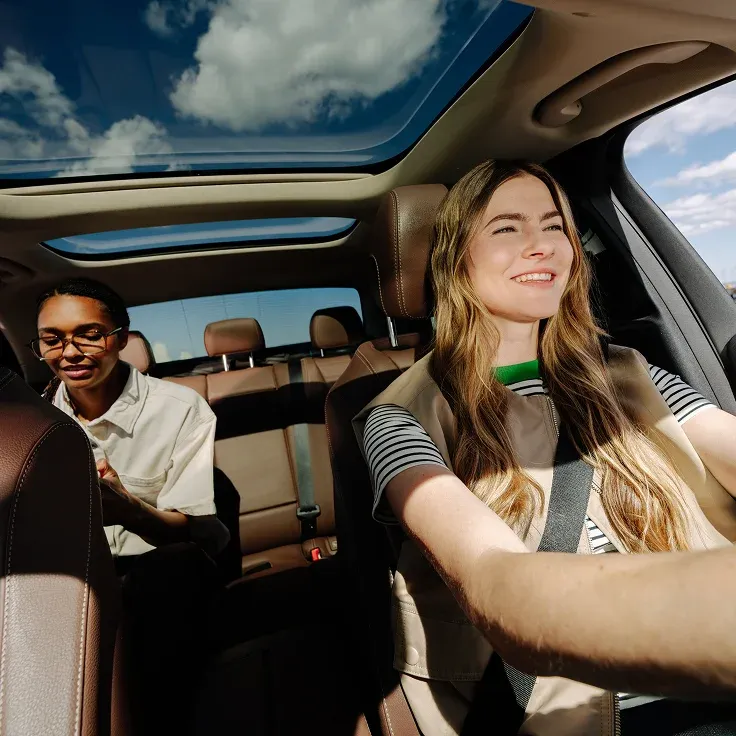
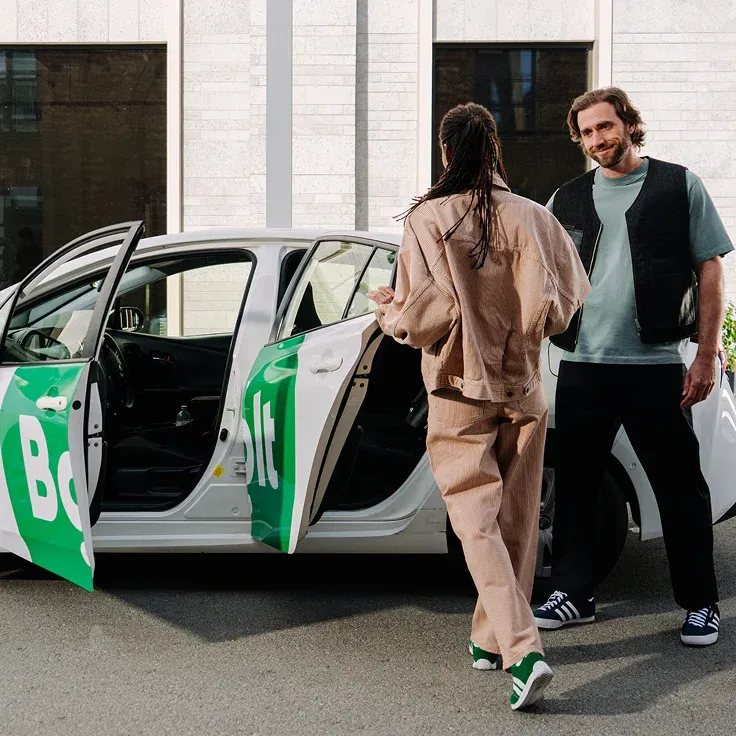
Riders can request a vehicle that accommodates a foldable wheelchair. Drivers in this category receive training to assist older riders, people with disabilities, or anyone needing extra help.
Child seats
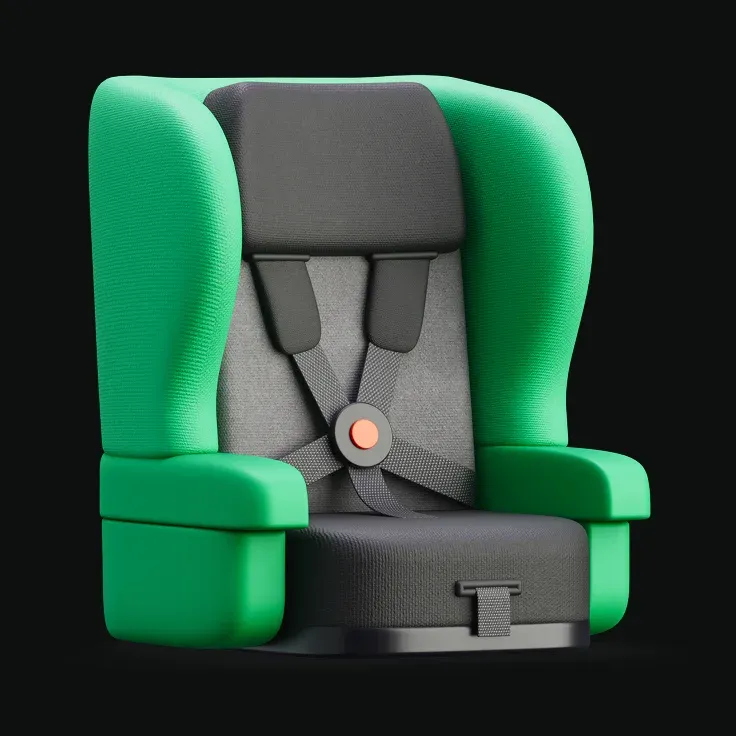
Riders can request a car equipped with an EU-compliant booster seat for children aged 3 and up, weighing 15–36 kg.
Pets
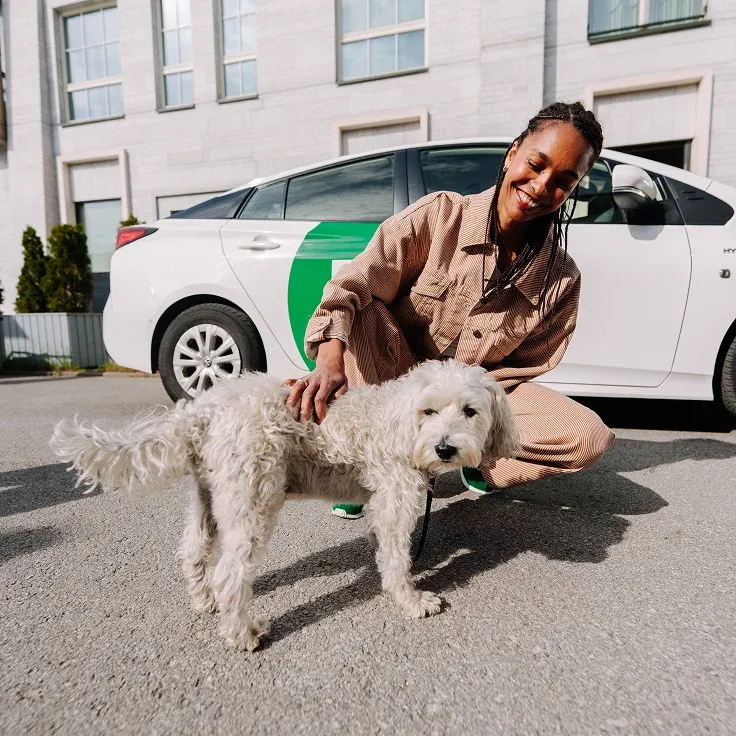
In select cities, riders can request a ride for themselves and their pet using this category.

Service animals
All passengers have the legal right to be accompanied by their assistance animal when using Bolt.

Speech to text
Drivers can dictate a chat message instead of typing. The Bolt app then transcribes it, translates it into the rider’s preferred language, and sends it as a regular chat message.
For visually impaired
Visually impaired riders can add an eye emoji or an eye and dog emoji to their name in the app to let drivers know they may need assistance, or are travelling with a guide dog. Currently available in Poland.
Assistance
Riders can request a vehicle that accommodates a foldable wheelchair. Drivers in this category receive training to assist older riders, people with disabilities, or anyone needing extra help.
Child seats
Riders can request a car equipped with an EU-compliant booster seat for children aged 3 and up, weighing 15–36 kg.
Pets
In select cities, riders can request a ride for themselves and their pet using this category.
Service animals
All passengers have the legal right to be accompanied by their assistance animal when using Bolt.
Speech to text
Drivers can dictate a chat message instead of typing. The Bolt app then transcribes it, translates it into the rider’s preferred language, and sends it as a regular chat message.
For visually impaired
Visually impaired riders can add an eye emoji or an eye and dog emoji to their name in the app to let drivers know they may need assistance, or are travelling with a guide dog. Currently available in Poland.
Food and grocery delivery
Bolt Food and Bolt Market
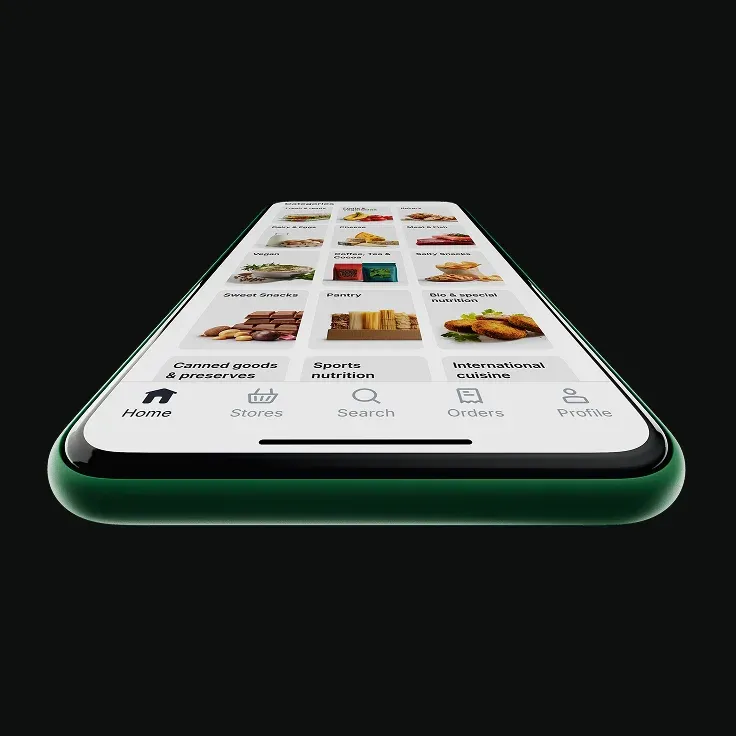
Food, groceries, and everyday items made accessible for people who can’t leave home due to mobility limitations.
Youth Earning Opportunities Programme
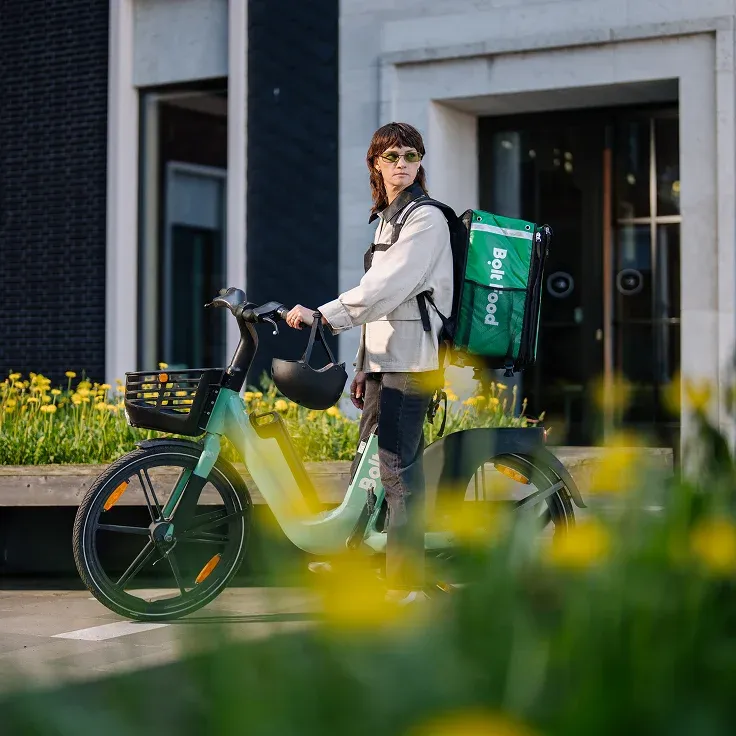
Supports 16–17-year-olds in earning and developing skills through local food delivery opportunities in select markets.
Bolt Food and Bolt Market
Food, groceries, and everyday items made accessible for people who can’t leave home due to mobility limitations.
Youth Earning Opportunities Programme
Supports 16–17-year-olds in earning and developing skills through local food delivery opportunities in select markets.
Micromobility
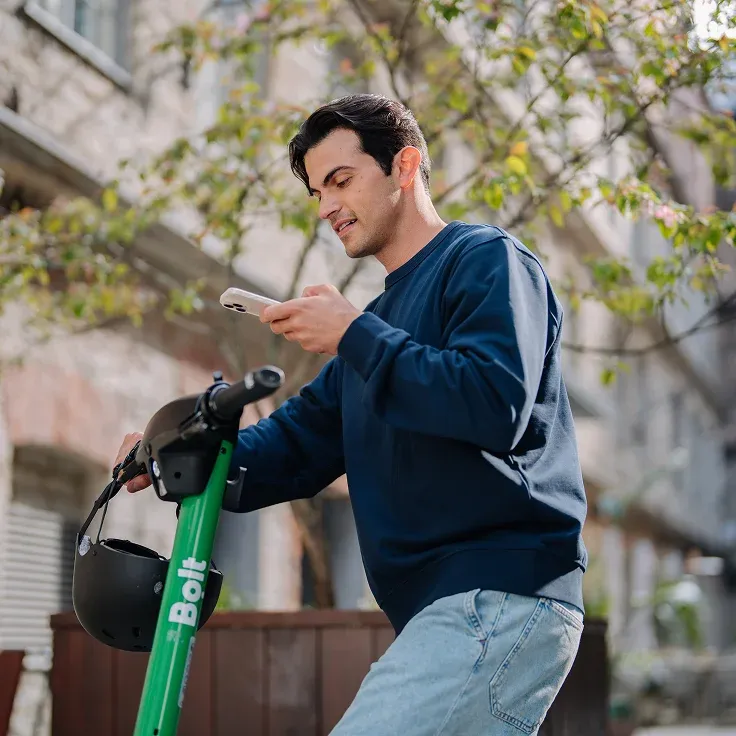
Ambient sound
Scooters emit a sound to help visually impaired pedestrians detect their approach.
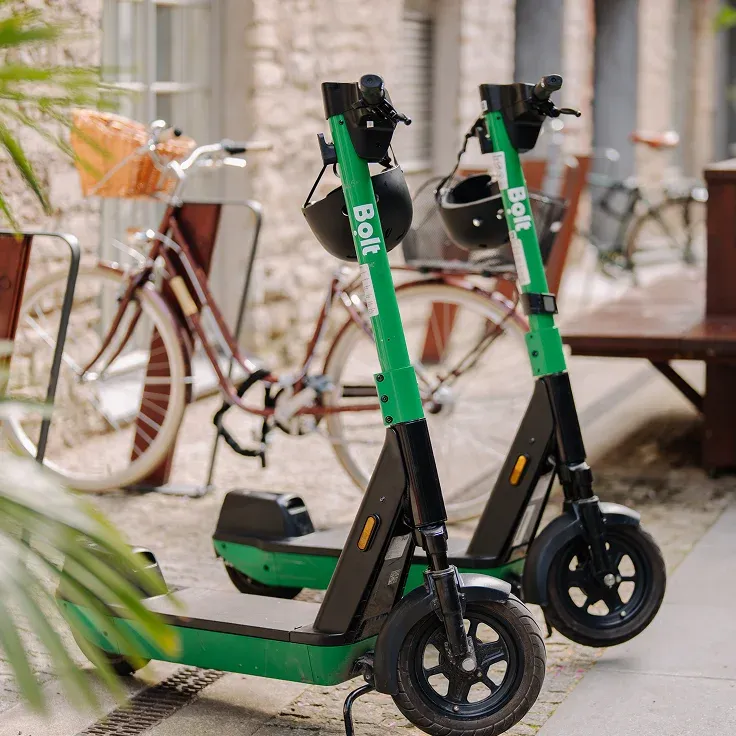
RTB Bluetooth solution
A Bluetooth-based system on Bolt scooters connects to an app on visually impaired users’ devices, alerting them to nearby parked scooters and helping prevent tripping hazards.
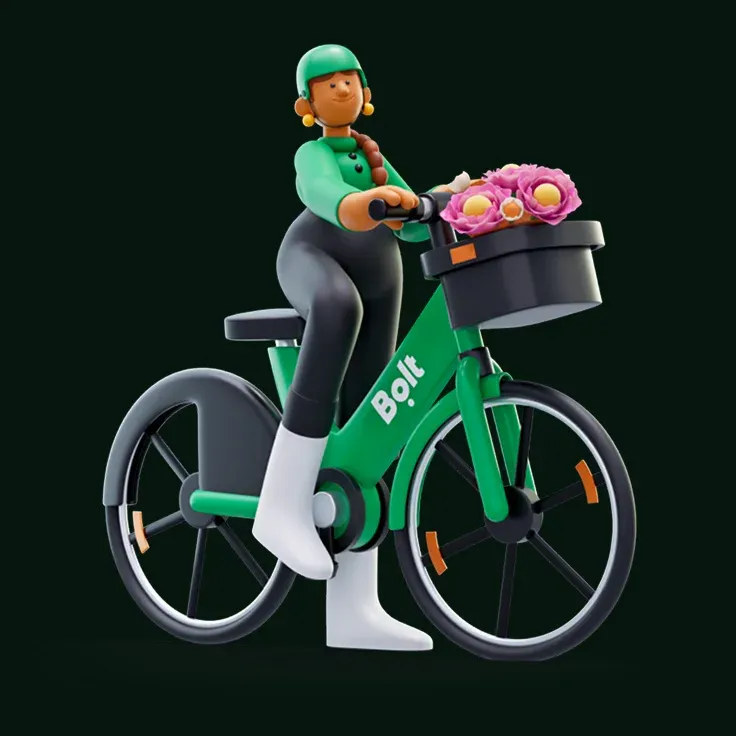
Accessible e-bike design
Our latest e-bikes are compact and lightweight, with an adjustable seat and throttle for easier handling by more riders, including women, older people, and those with mild physical disabilities
Ambient sound
Scooters emit a sound to help visually impaired pedestrians detect their approach.
RTB Bluetooth solution
A Bluetooth-based system on Bolt scooters connects to an app on visually impaired users’ devices, alerting them to nearby parked scooters and helping prevent tripping hazards.
Accessible e-bike design
Our latest e-bikes are compact and lightweight, with an adjustable seat and throttle for easier handling by more riders, including women, older people, and those with mild physical disabilities