Investing in cities
Strategic partnerships accelerate urban innovation. Bolt brings together communities, academic teams, and international organisations to transform urban living.
The SUT Lab, a partnership of ETH Zurich and the Bolt Urban Fund, brings innovative, data-driven research to city planning teams. ETH Zürich leads the research, while Bolt shares proprietary service data and supports research through app-based surveys and travel data analysis.
The SUT Lab projects bridge science and policy with hands-on recommendations, helping cities move from ambitious sustainable mobility plans to specific, evidence-based interventions.
In Europe, researchers collaborate with city planning teams to optimise and accelerate their Sustainable Urban Mobility Plans (SUMPs), analysing travel behaviour, enhancing network safety, and modelling the impact of infrastructure investments such as new metro lines and mobility hubs. In cities outside Europe, the Lab focuses on improving accessibility in underserved areas to support economic and social inclusion.
In Hannover, the SUT Lab team used e-scooter telemetry, simulation models, and surveys to understand how micromobility and public transport can better work together, identifying optimal mobility hub locations and evaluating new parking zone policies.
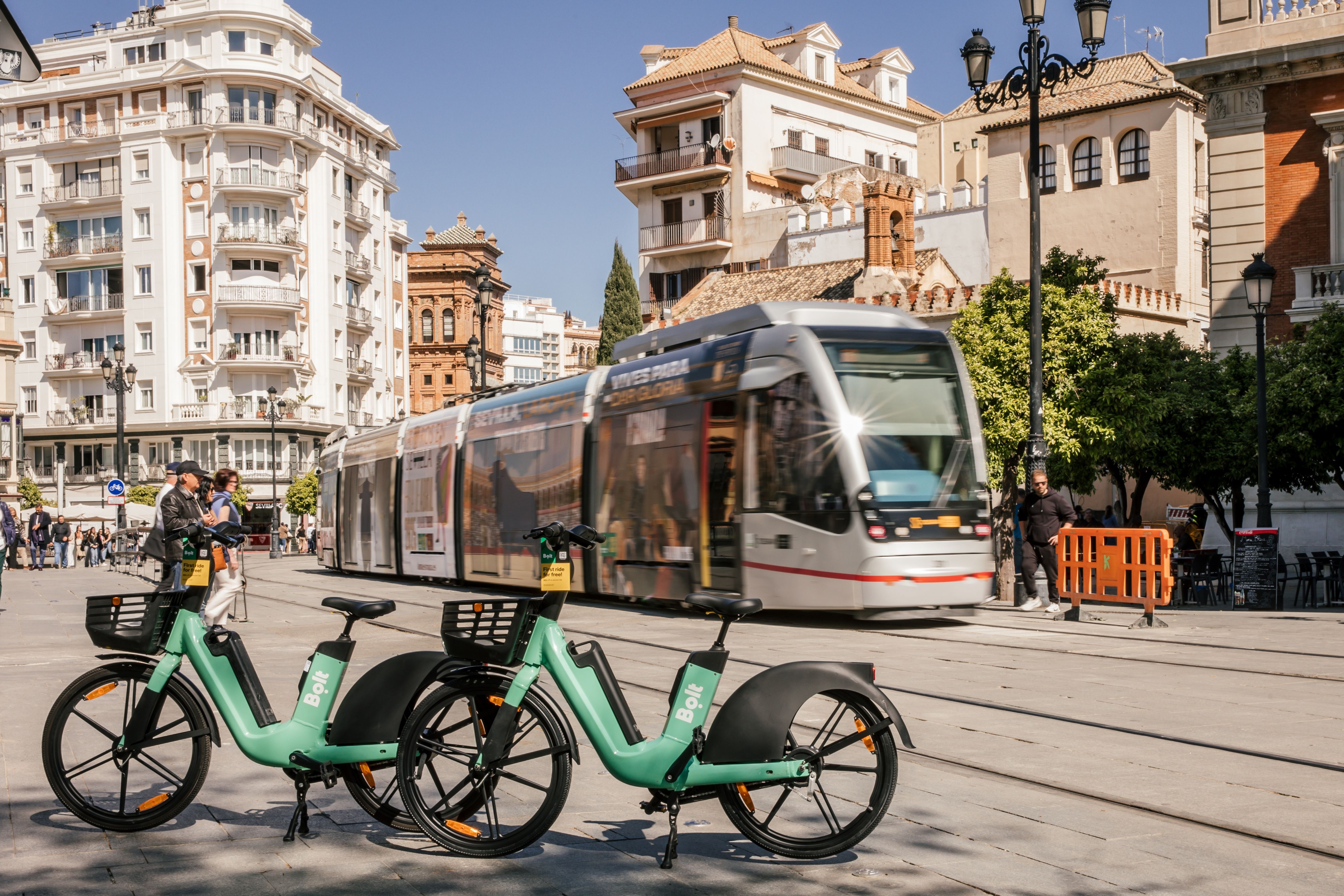
In Seville, the SUT Lab team analyses e-bike and ride-hailing data, safety telemetry, and simulation models to assess how cycling infrastructure and planned Metro expansions can drive modal shift and improve multimodal connectivity.
In Lisbon, the SUT Lab team is piloting specific street design interventions in the city centre, using mobility data, planning analysis, surveys, and simulations to support evidence-based, people-centred public space decisions.
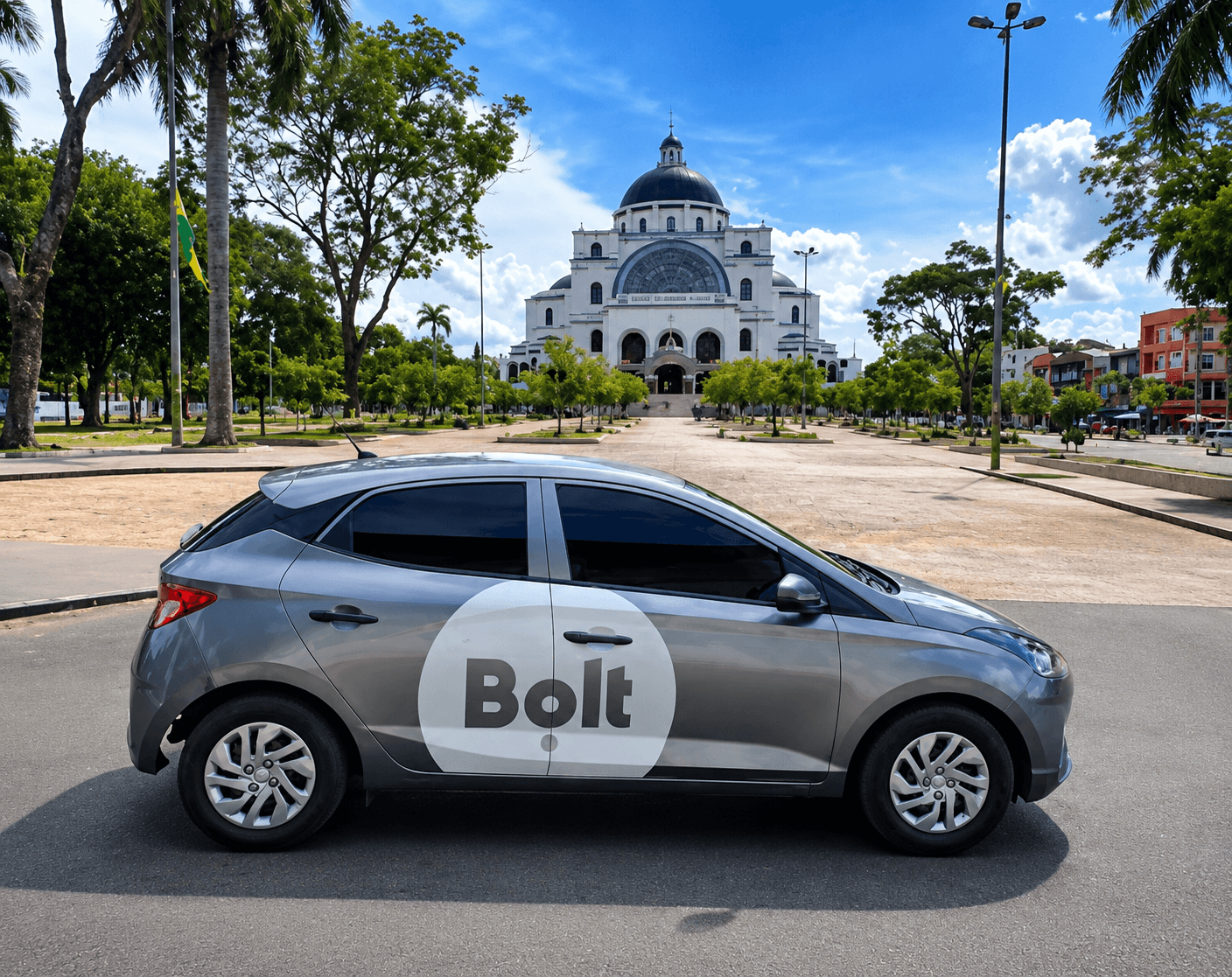
In Asunción, the SUT Lab team is conducting a six-month study of ride-hailing in the metropolitan transport mix, identifying areas of low public transport connectivity and how ride-hailing and public transport can best complement each other – this is the SUT Lab first project in the Americas.


The city of Lisbon will partner with the Sustainable Urban Transitions (SUT) Lab — a partnership between ETH Zurich and the Bolt Urban Fund — to develop and test innovative urban mobility solutions.
“A well-functioning urban mobility system improves quality of life, economic growth, and accessibility. It’s essential to ensure that mobility systems in cities prioritise safety, livability, and social inclusion as they evolve. SUT Lab provides an excellent opportunity to understand these processes and to develop solutions to improve urban mobility for people”.
Professor Eva Heinen
Professor of Transportation and Mobility Planning at ETH Zurich
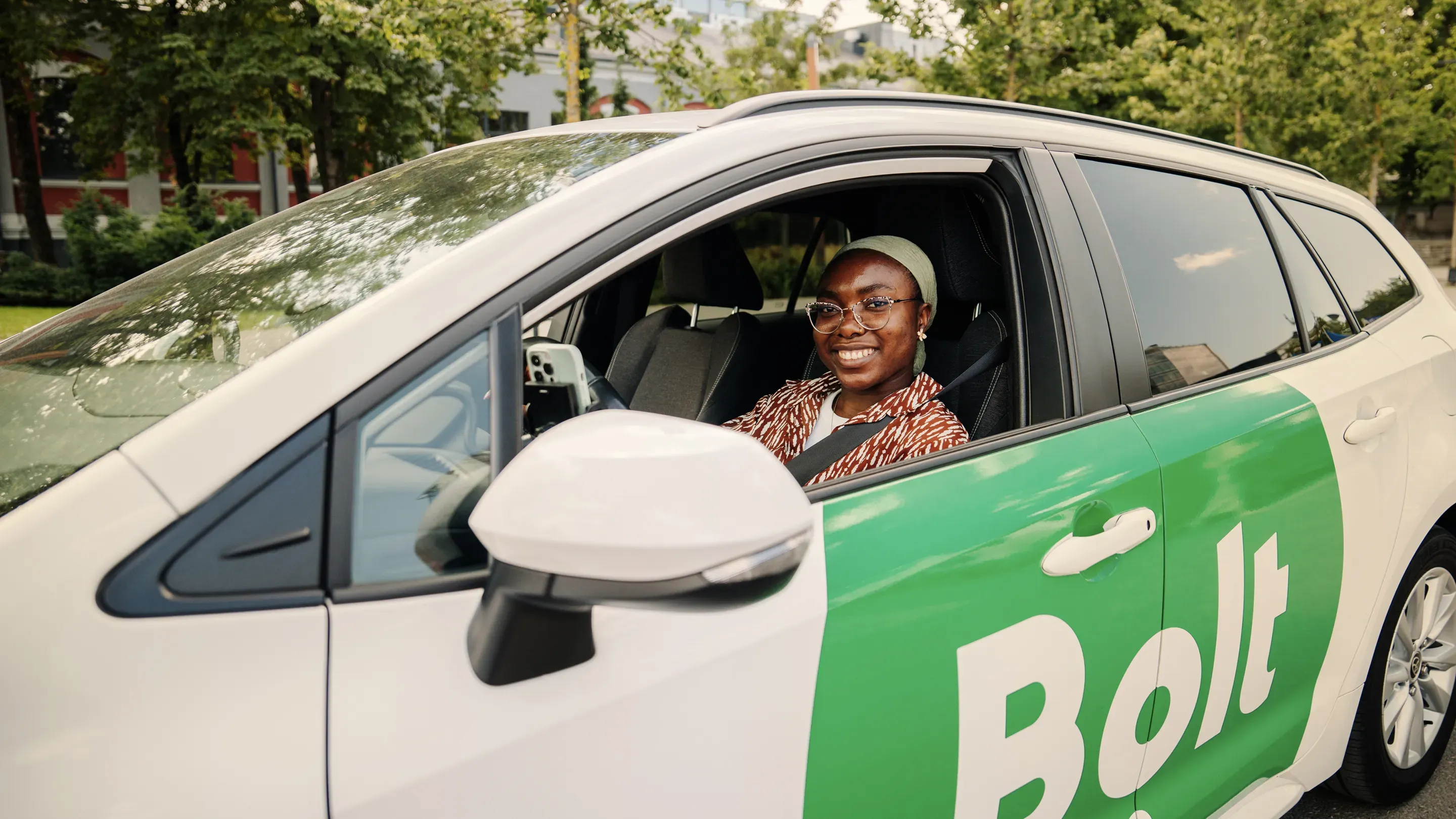
Through tailored training at the Bolt Academy, programme participants acquire new skills in entrepreneurship, technology, and sustainability, building confidence as innovators and community leaders.
The programme has helped bring more than 40 business ideas to life, from electric vehicle charging networks to logistics apps and fleet management services. With hundreds of partners upskilling across Africa and Europe, the Accelerator ensures that the people who keep cities moving play a bigger role in shaping them.

“Through the Bolt Accelerator Programme, my business, Lupa Township Delivery, was able to move from concept to growth. The support and funding provided helped me invest in critical tools and build a sustainable and scalable business model. This programme truly invests in the future of African mobility entrepreneurs.”
Kamogelo Modise,
Bolt driver partner in Pretoria, South Africa
Through this social impact programme, empowering sustainable urban living, Bolt partners with leading academic institutions, international organisations, NGOs, cities, and local communities to accelerate the positive impact of shared mobility worldwide. Current initiatives include:

A partnership with ETH Zurich to help cities improve urban mobility and infrastructure planning.

Supporting the next generation of entrepreneurs in the driver partner community.

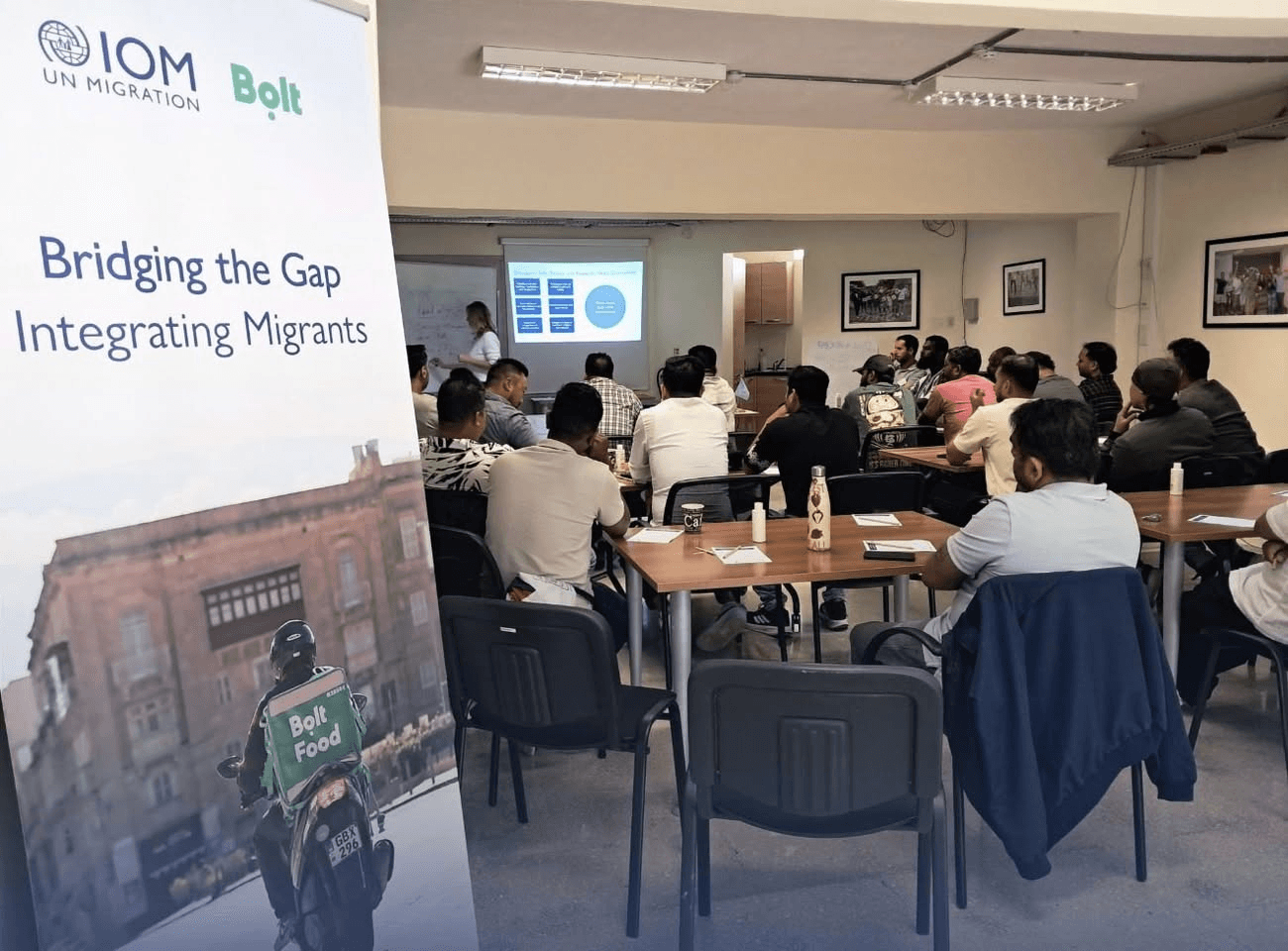
Improving the social and economic integration of migrant workers in the platform economy.
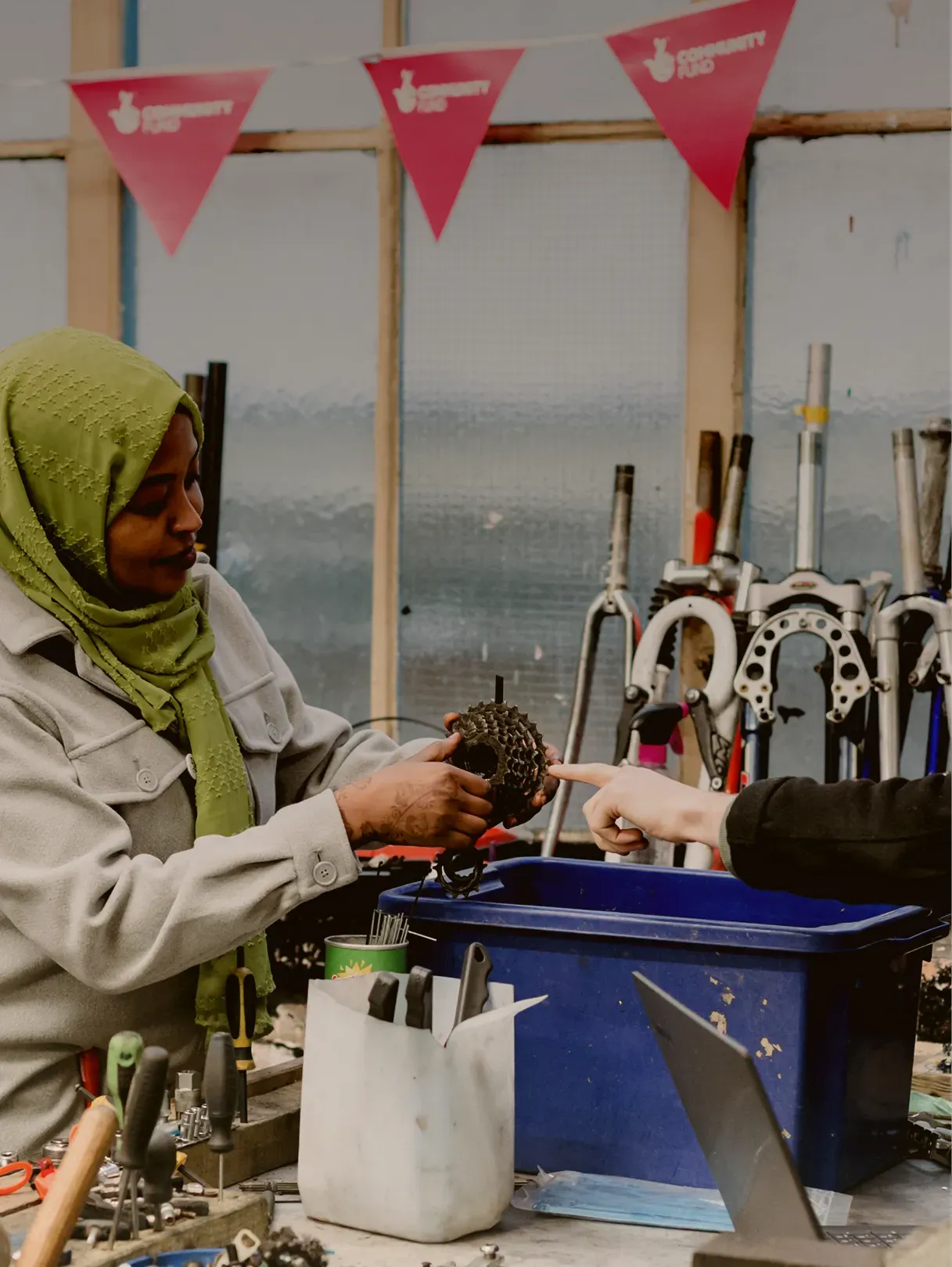
Supporting small-scale projects in local communities.